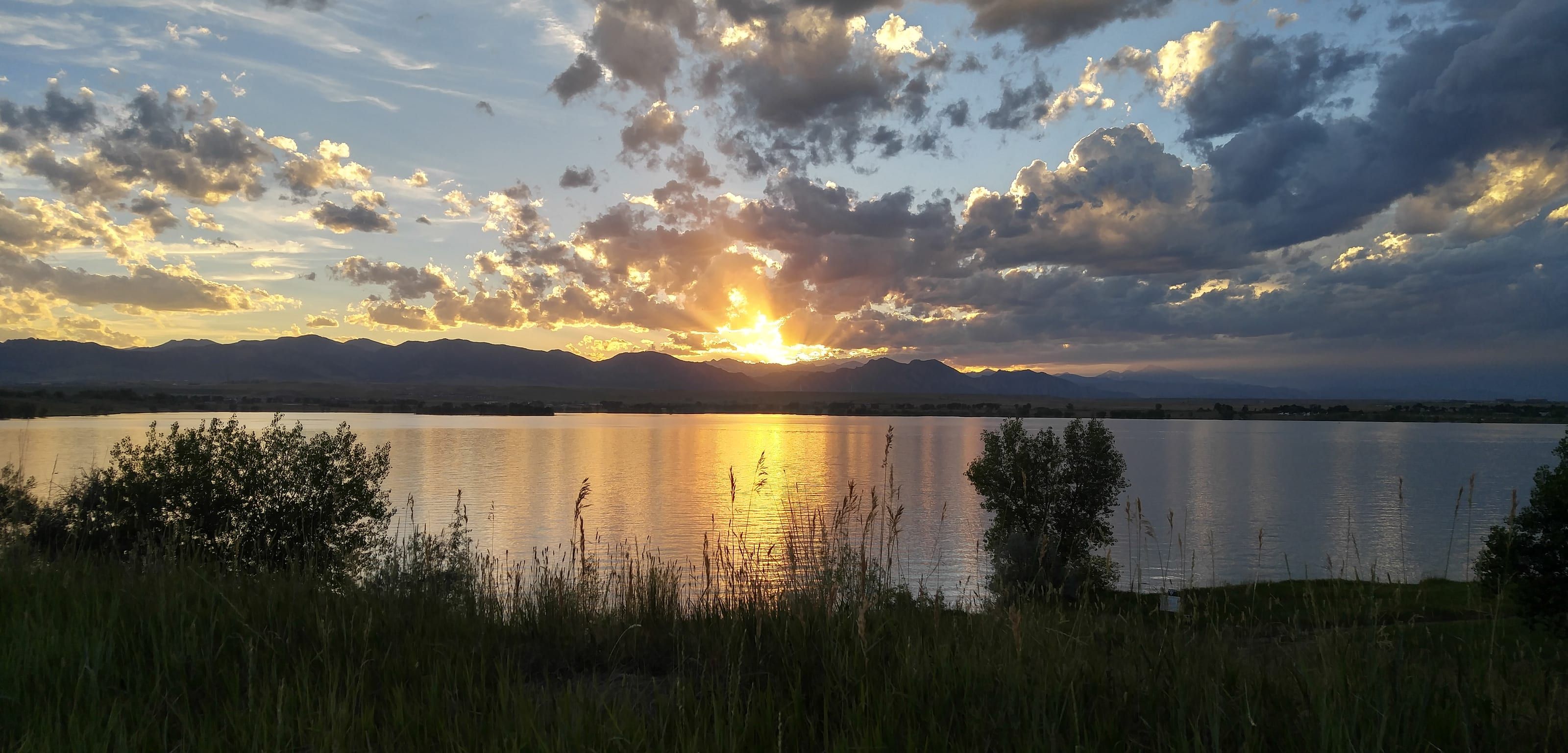
The sun going down over a wide lake, gold on the water, big clouds above and the Front Range as a dark line along the horizon

Sound, clean chimneys for Broomfield homes, newer and older.

Sweeping, inspection and repair across Broomfield, the city and county northwest of Denver.

Photo: Akijione, CC BY-SA 3.0

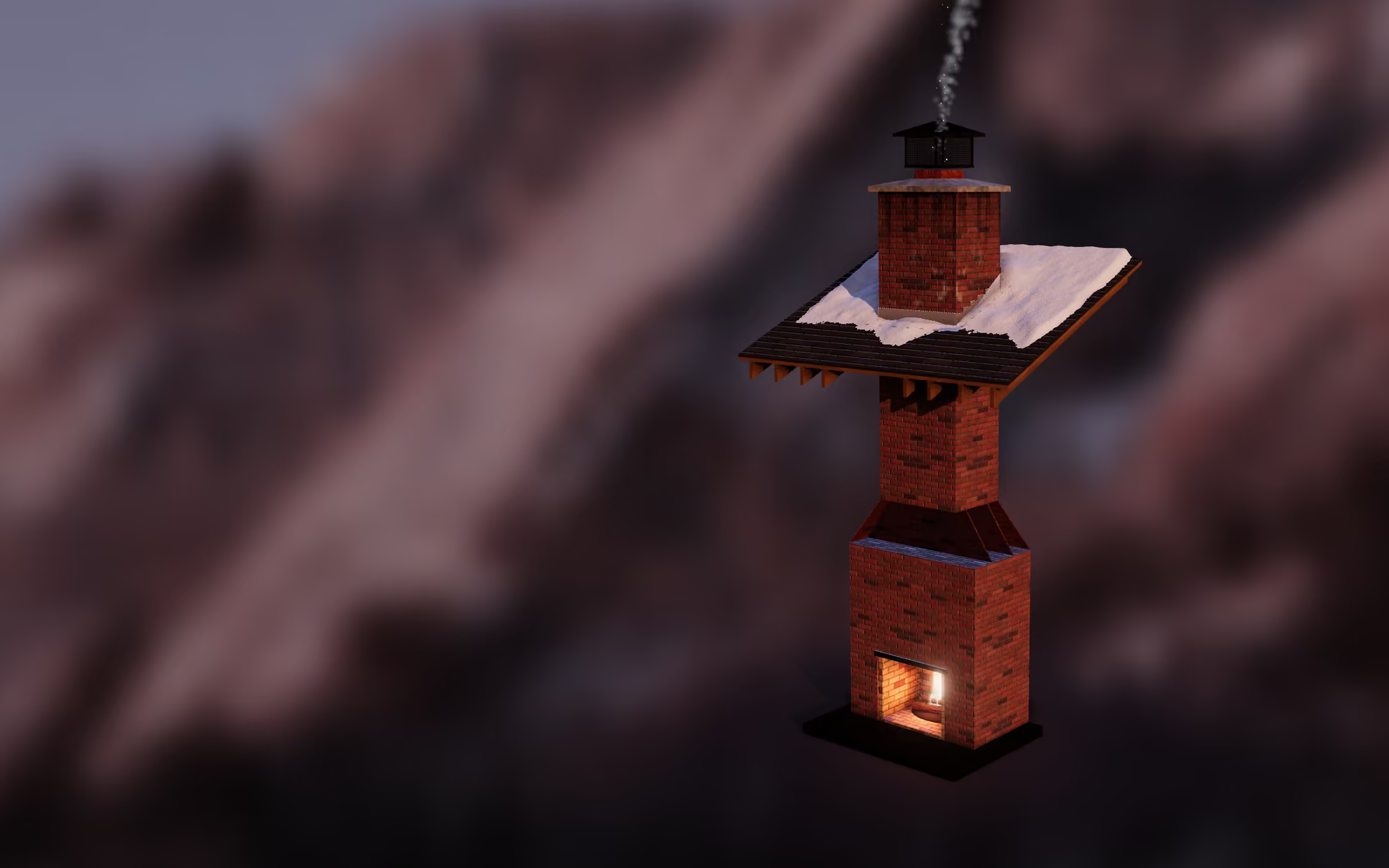
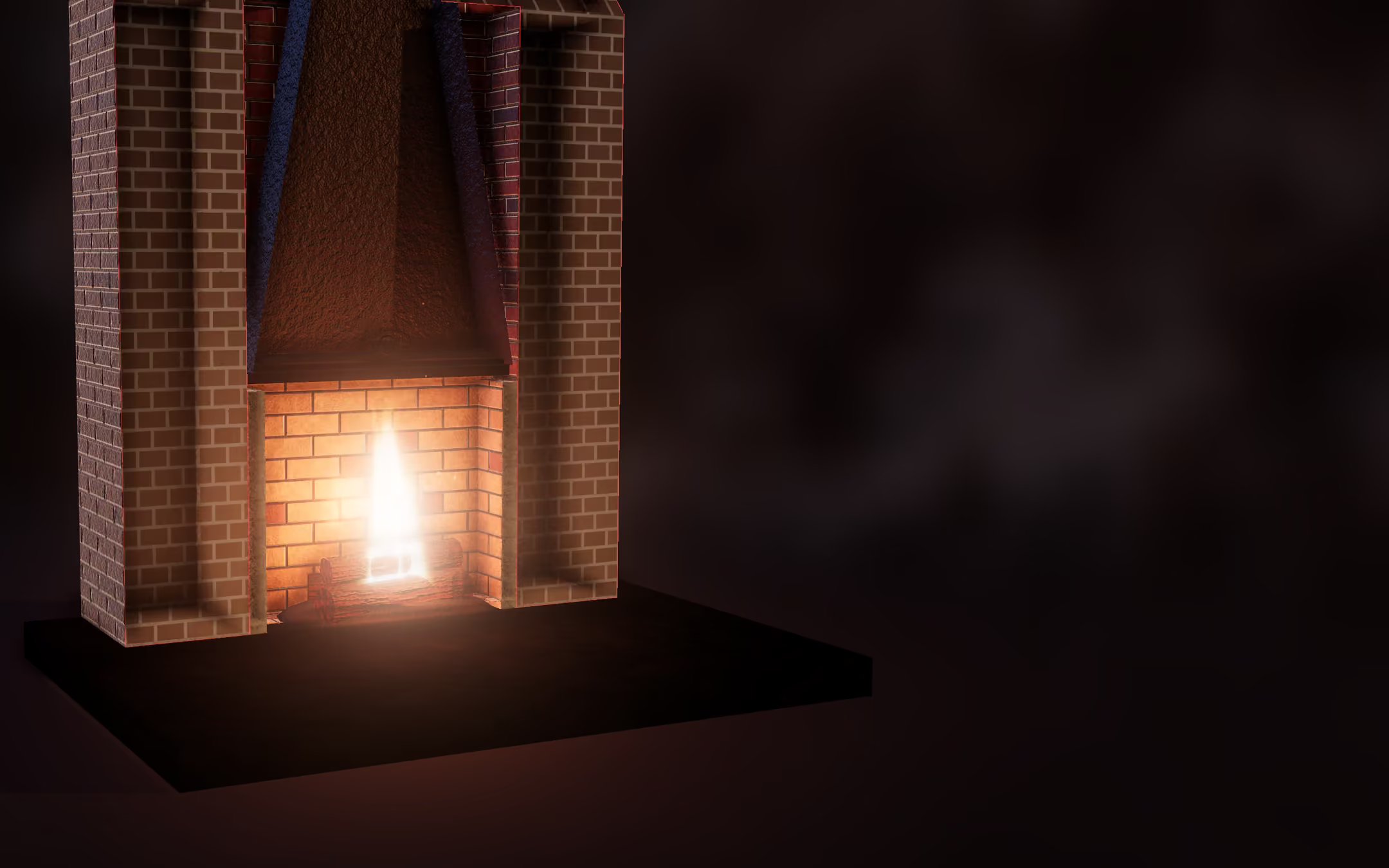
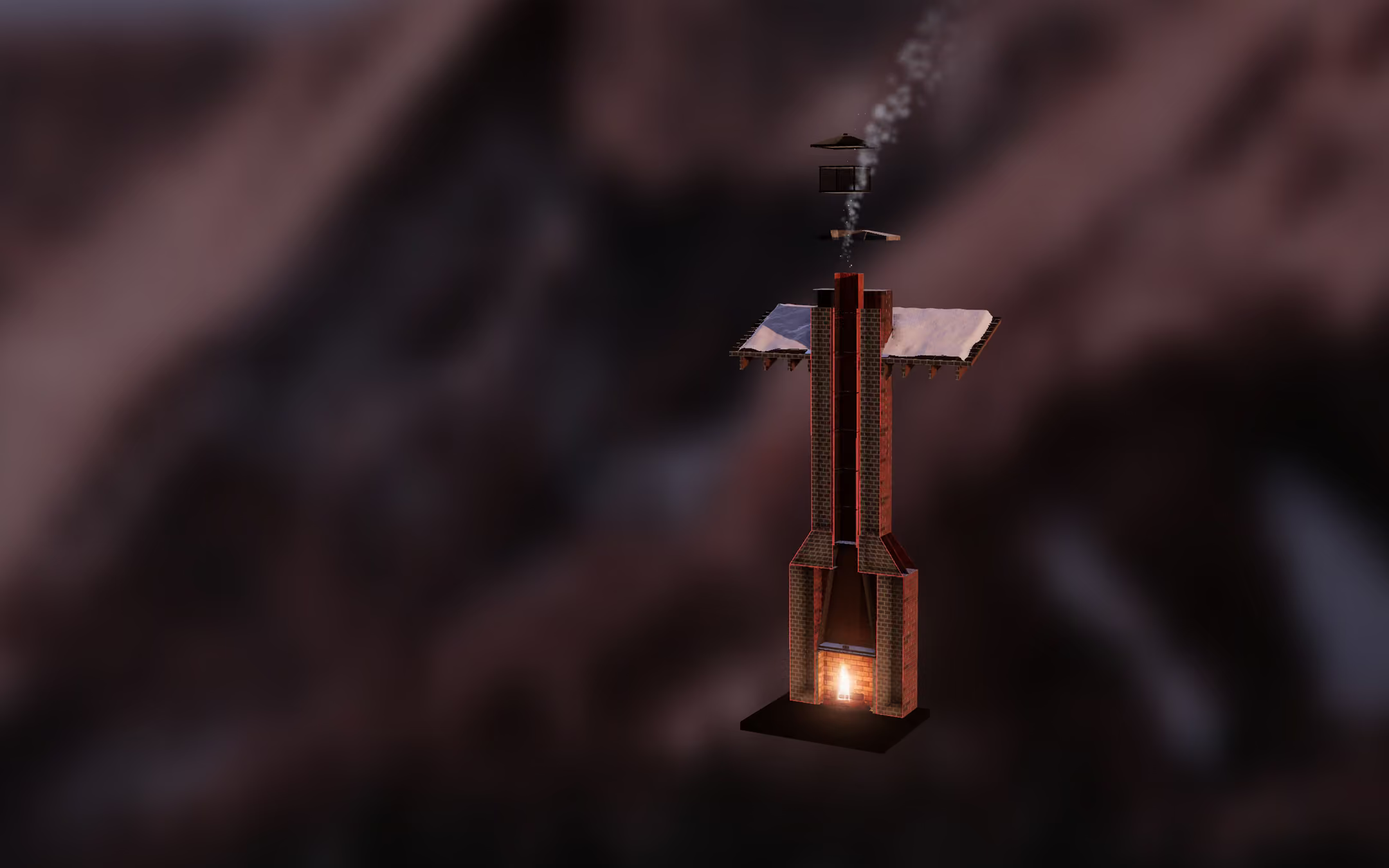
Six parts from cap to firebox, and how Broomfield weather works on each.

Choose a part to see what we look at, and what daily thaws, heavy snow and dry winters do to it on this stretch of the Front Range.

Begin on the roof
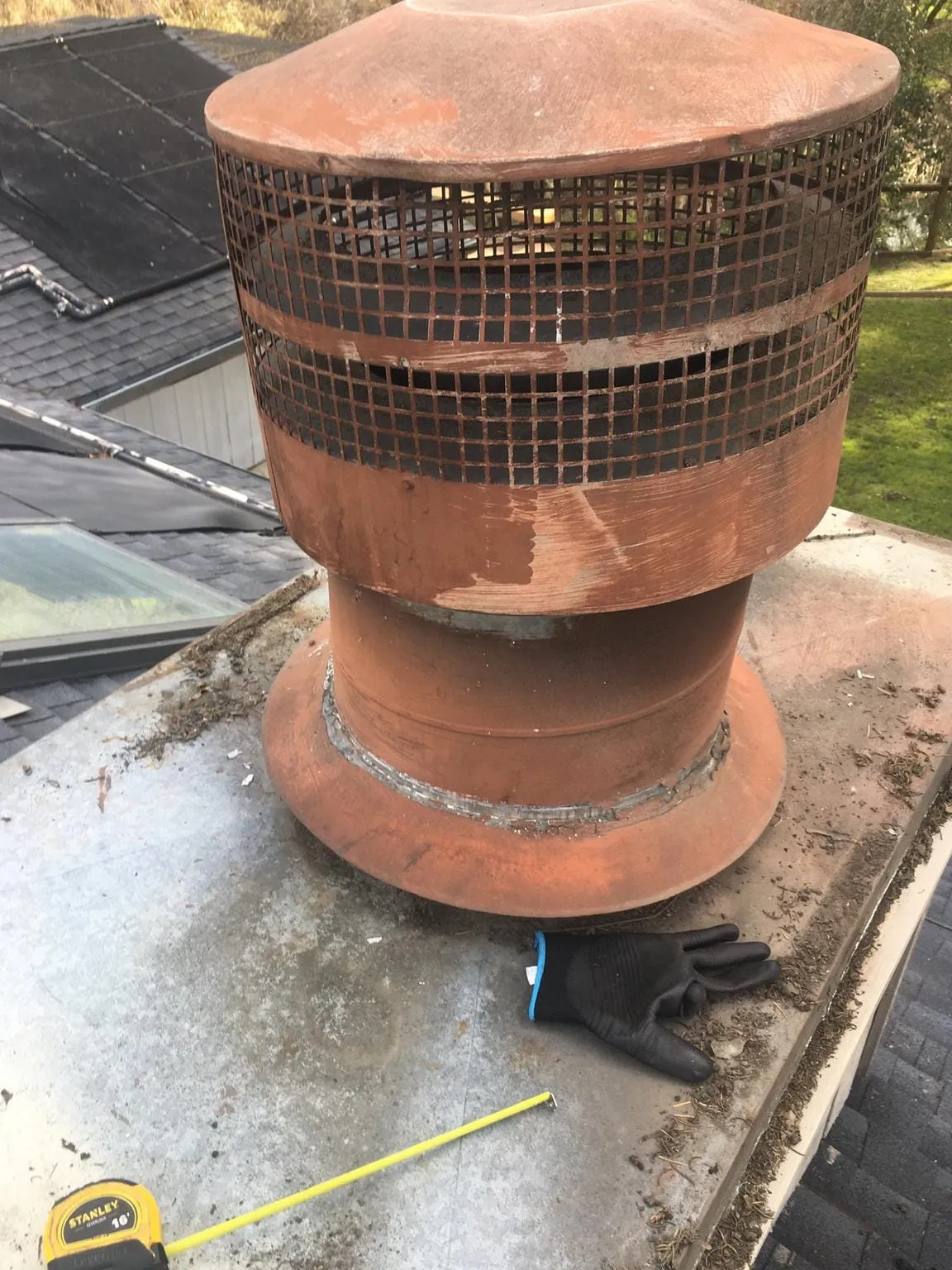
  1. A rust-red metal chimney cap with a wire mesh band, on a metal roof deck, with a work glove and a tape measure beside it
    From our Google Business Profile

    1Top of the stack

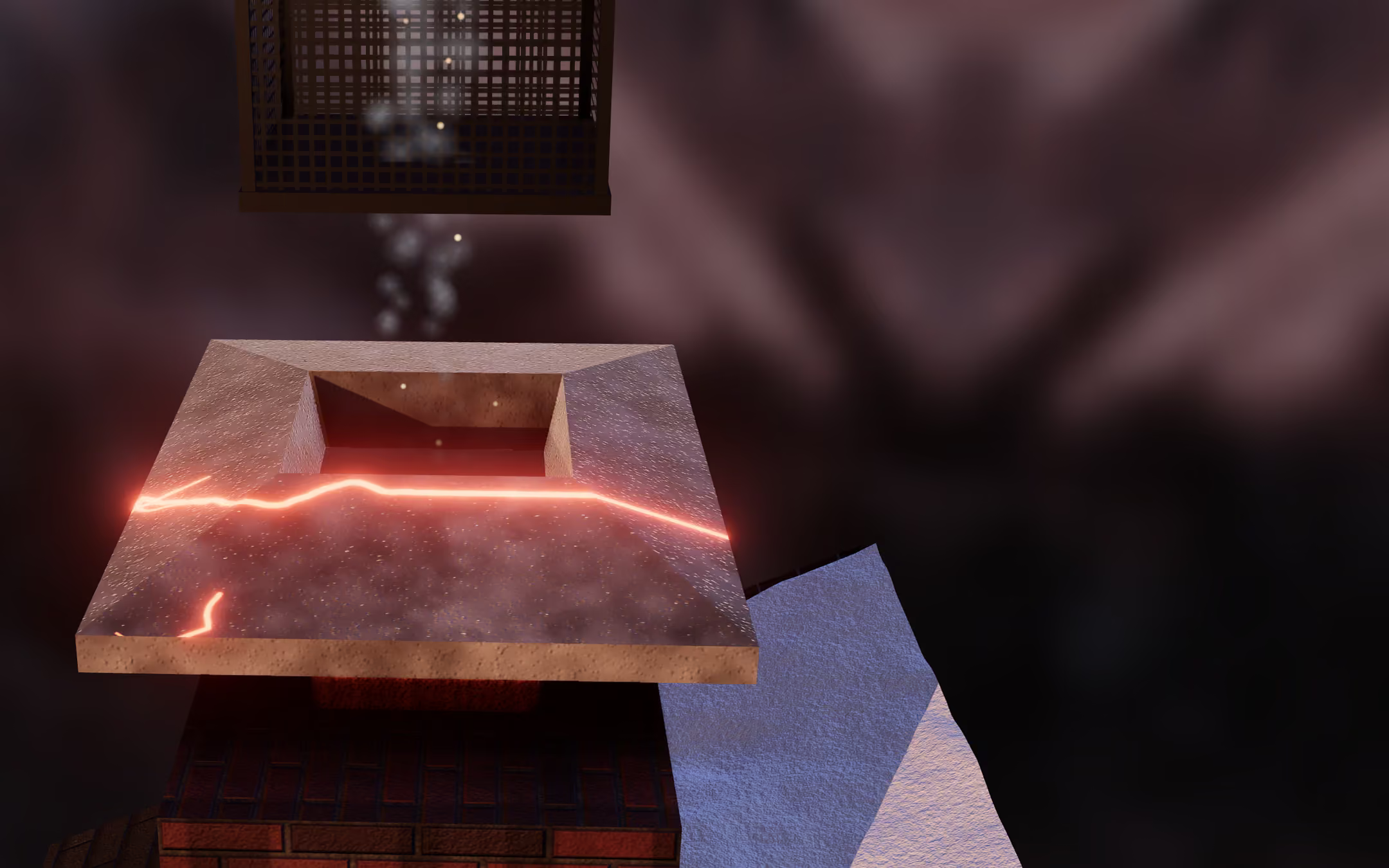
    Cap

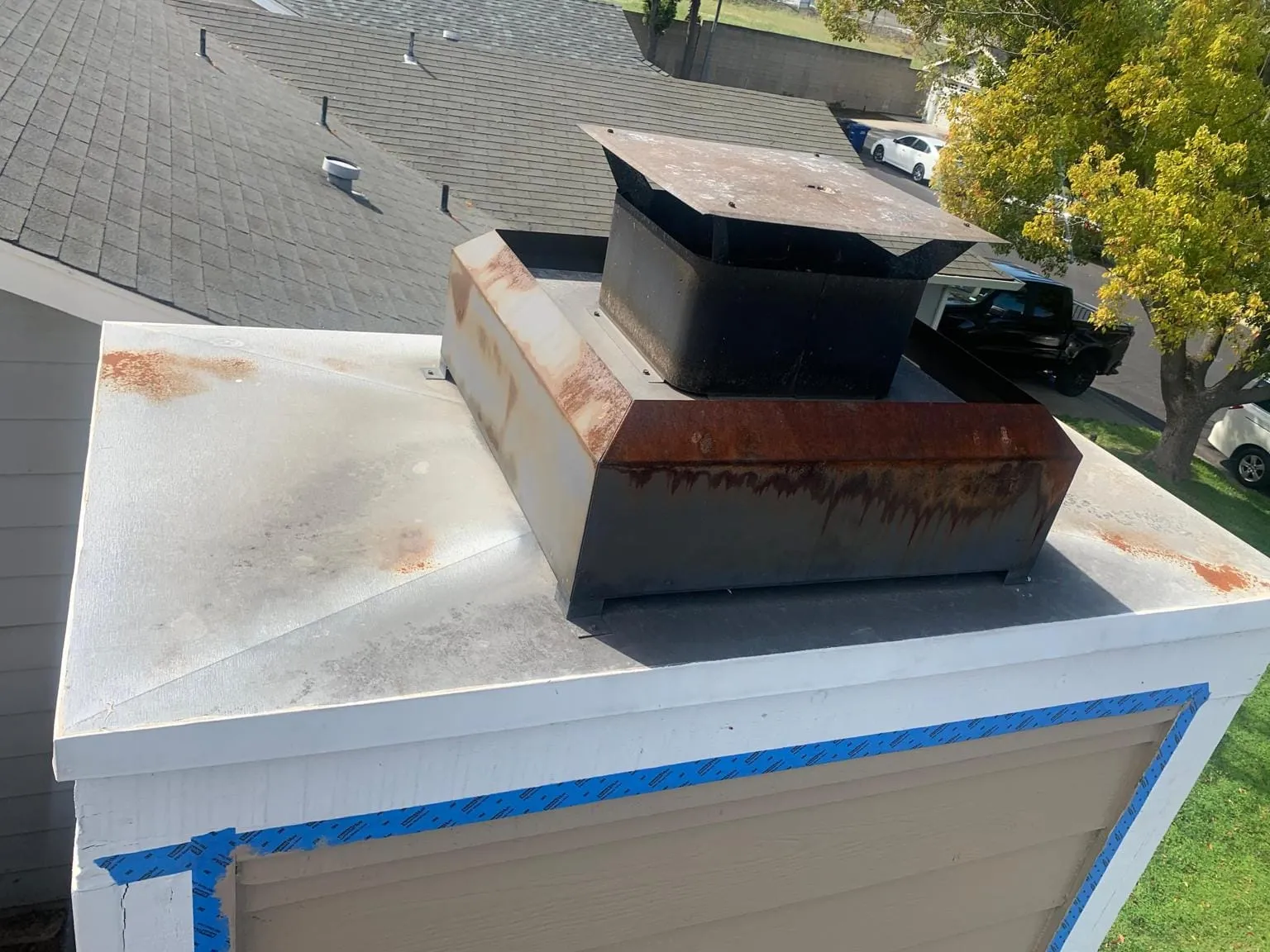
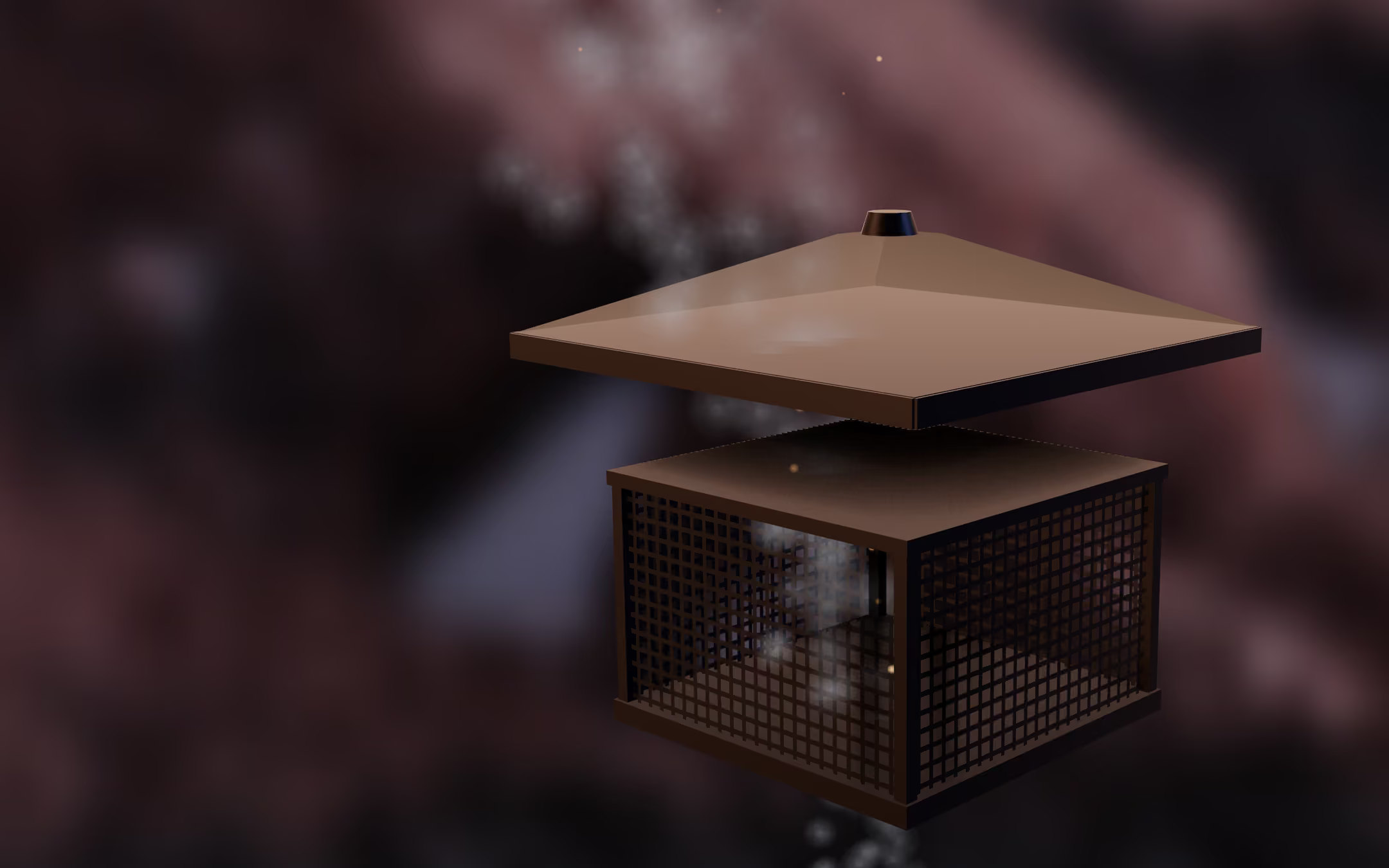
    The cap is the first thing the sky reaches. Its screen turns birds and squirrels away from the flue and keeps embers inside, while the lid stops rain and snow from dropping straight down.

    We check: hail dents, a screen torn loose, rust on the lid or at the seams.

    Next: Crown
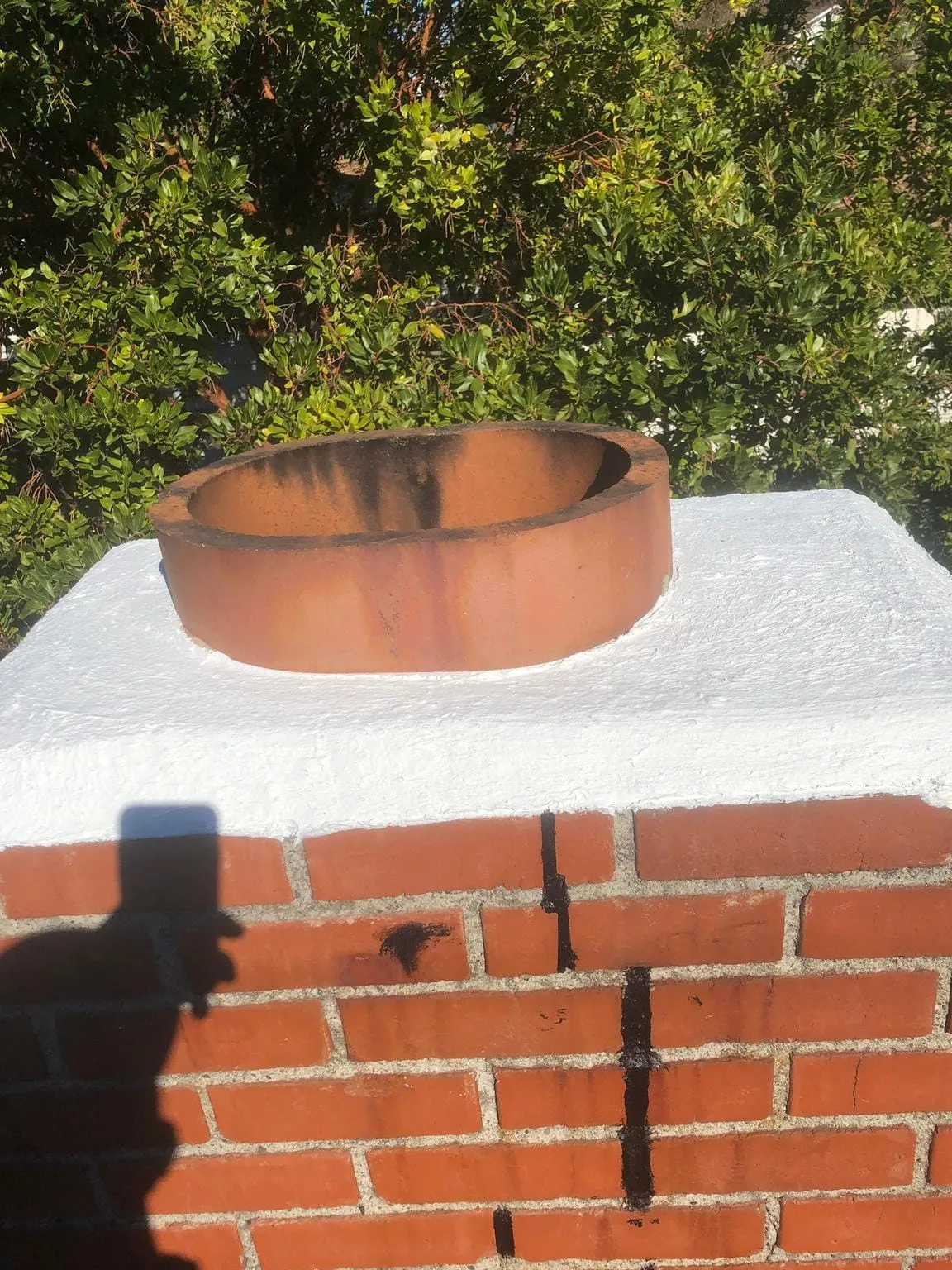
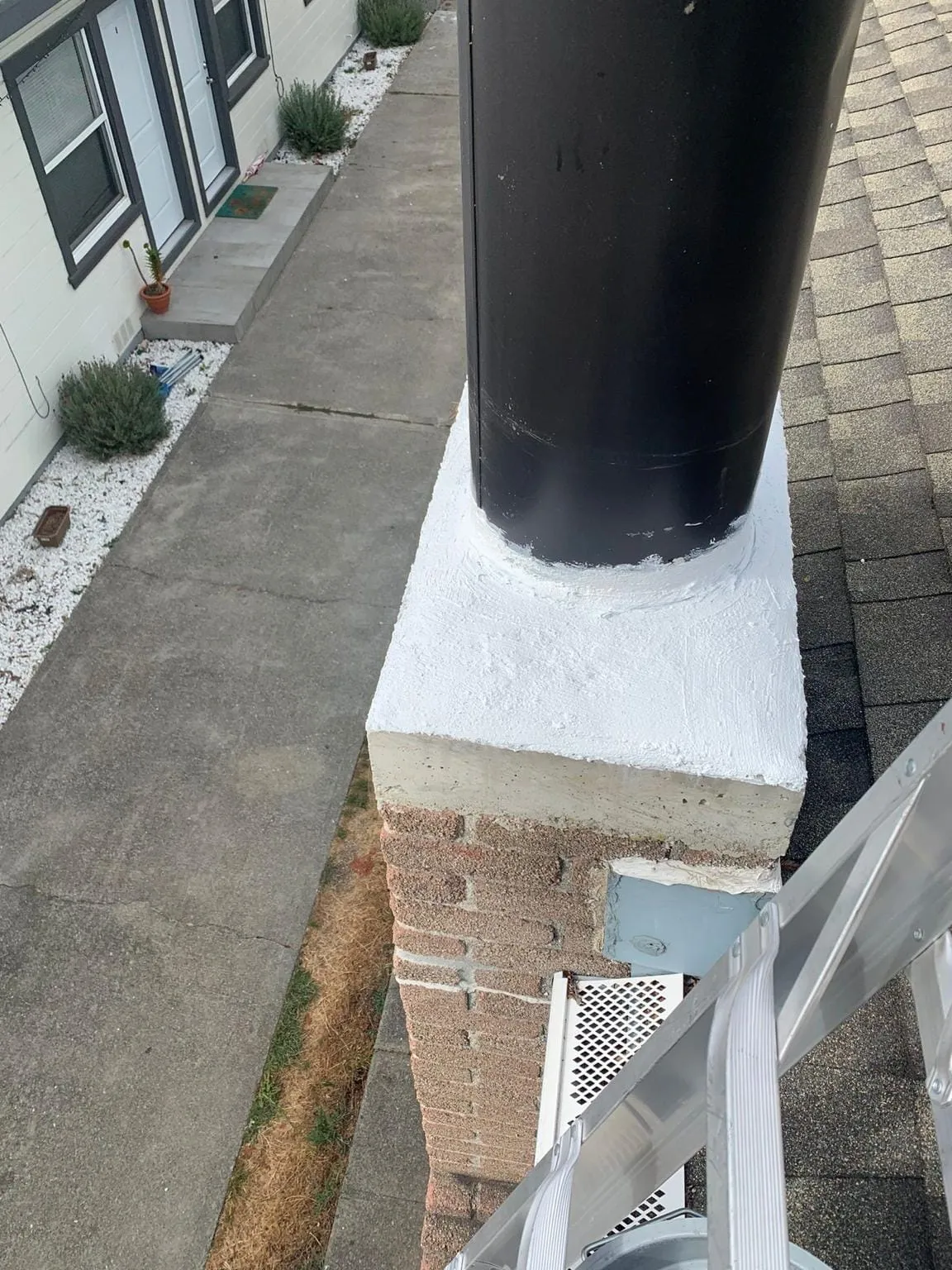
  2. A rust-colored clay flue tile rising from a crown coated in white sealant on a red brick chimney, with dark stains running down the brick
    From our Google Business Profile

    2The top surface

    Crown

    A hairline crack in the crown takes in melt water in the afternoon, and by night the water has frozen and pried the crack a little wider. A Broomfield January day averages 19°F at dawn and 46°F by afternoon, so that cycle can repeat daily.

    We check: hairline cracks, flaking edges, a joint between slab and flue tile that has opened.

    Next: Flashing
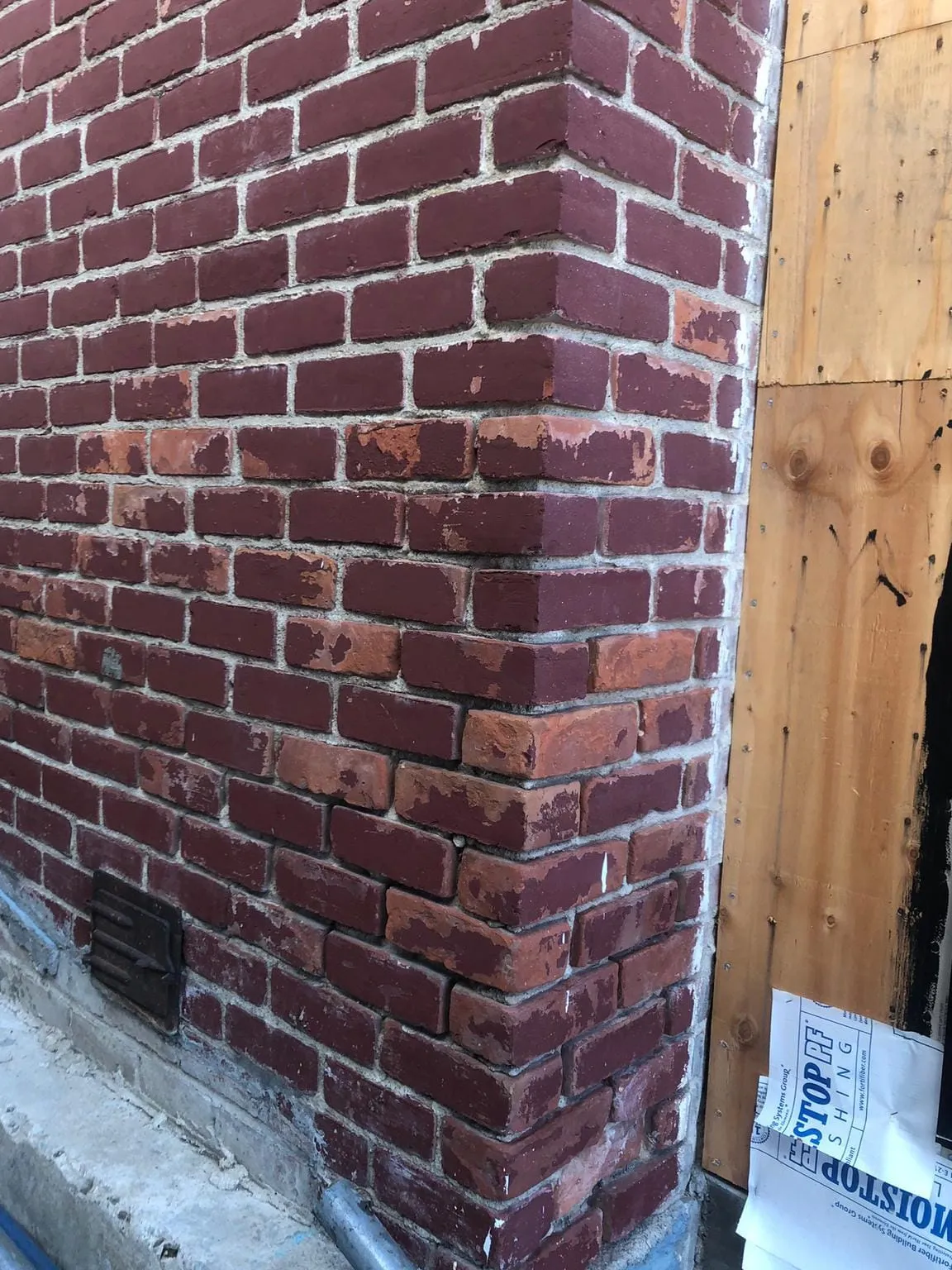
  3. The corner of a red-brown brick chimney where it meets the roof, with metal flashing, a vent and wood sheathing under house wrap beside it
    From our Google Business Profile

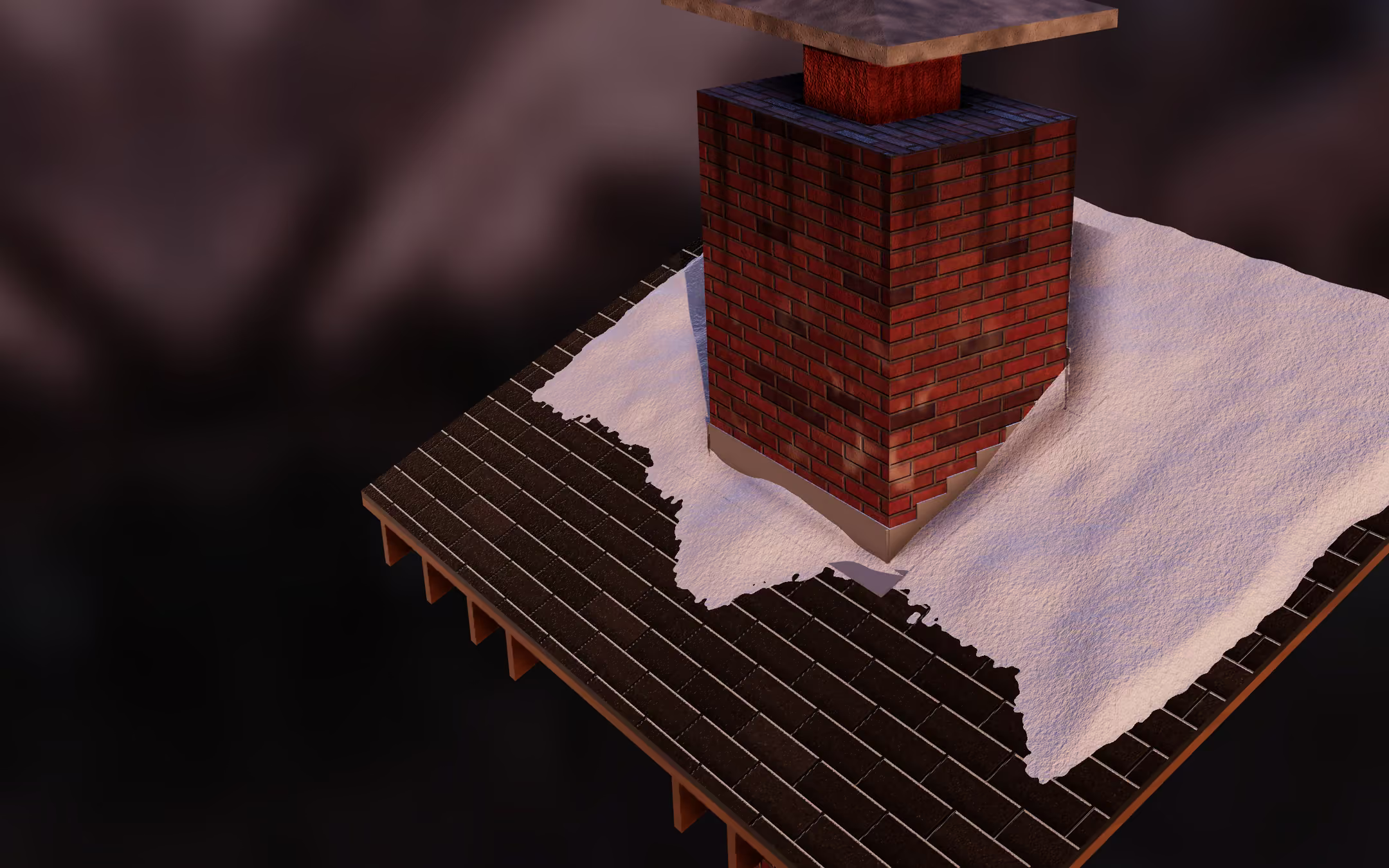
    3Where roof meets chimney

    Flashing

    Flashing is the sheet-metal collar around the joint of chimney and roof. Wet snow packs against it and melts slowly, and any seam that has lifted or dried out lets that water in behind the brick or the siding.

    We check: lifted edges, sealant gone hard and cracked, rust streaks, a stain on the ceiling near the chimney.

    Next: Flue liner
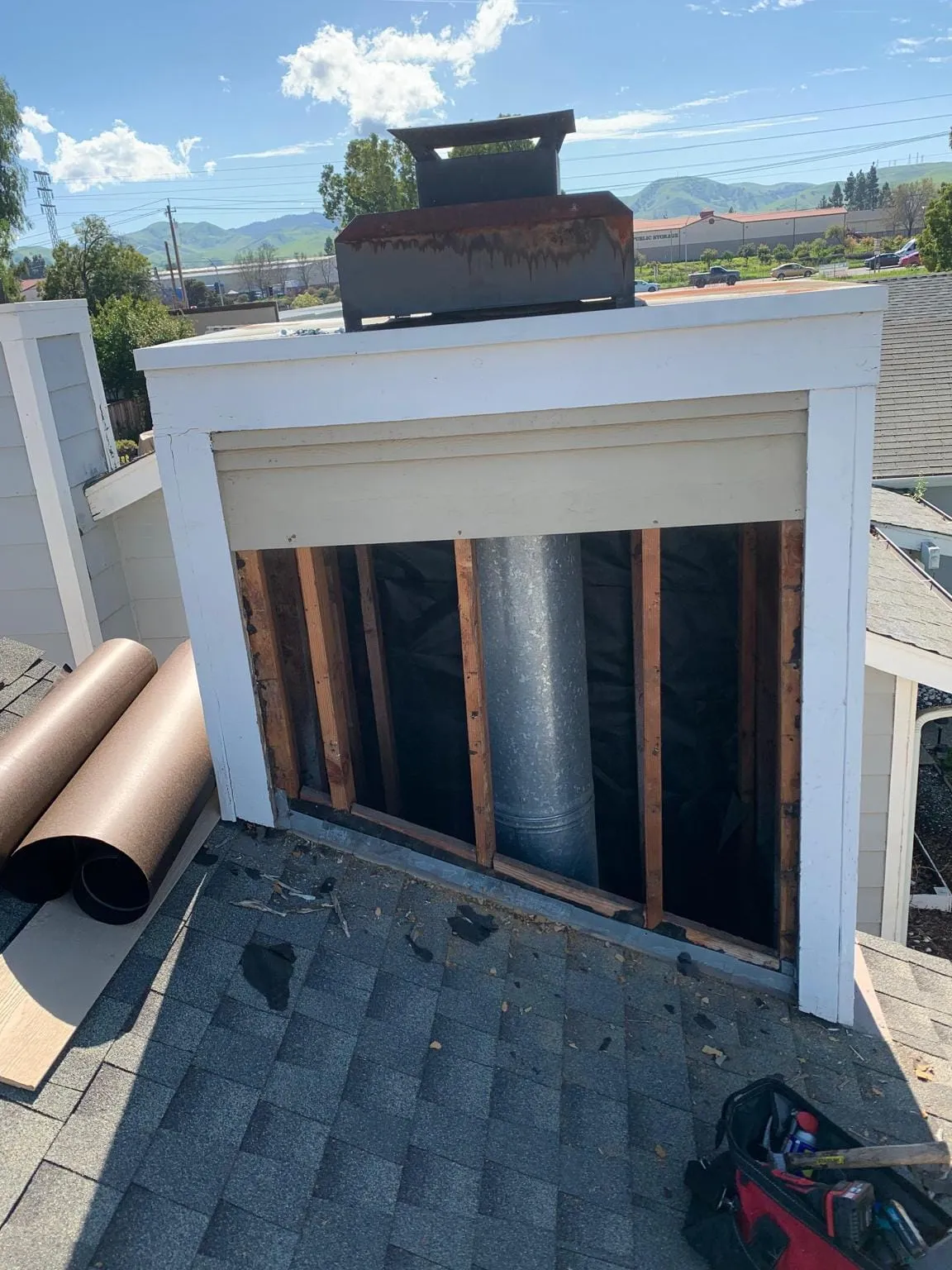
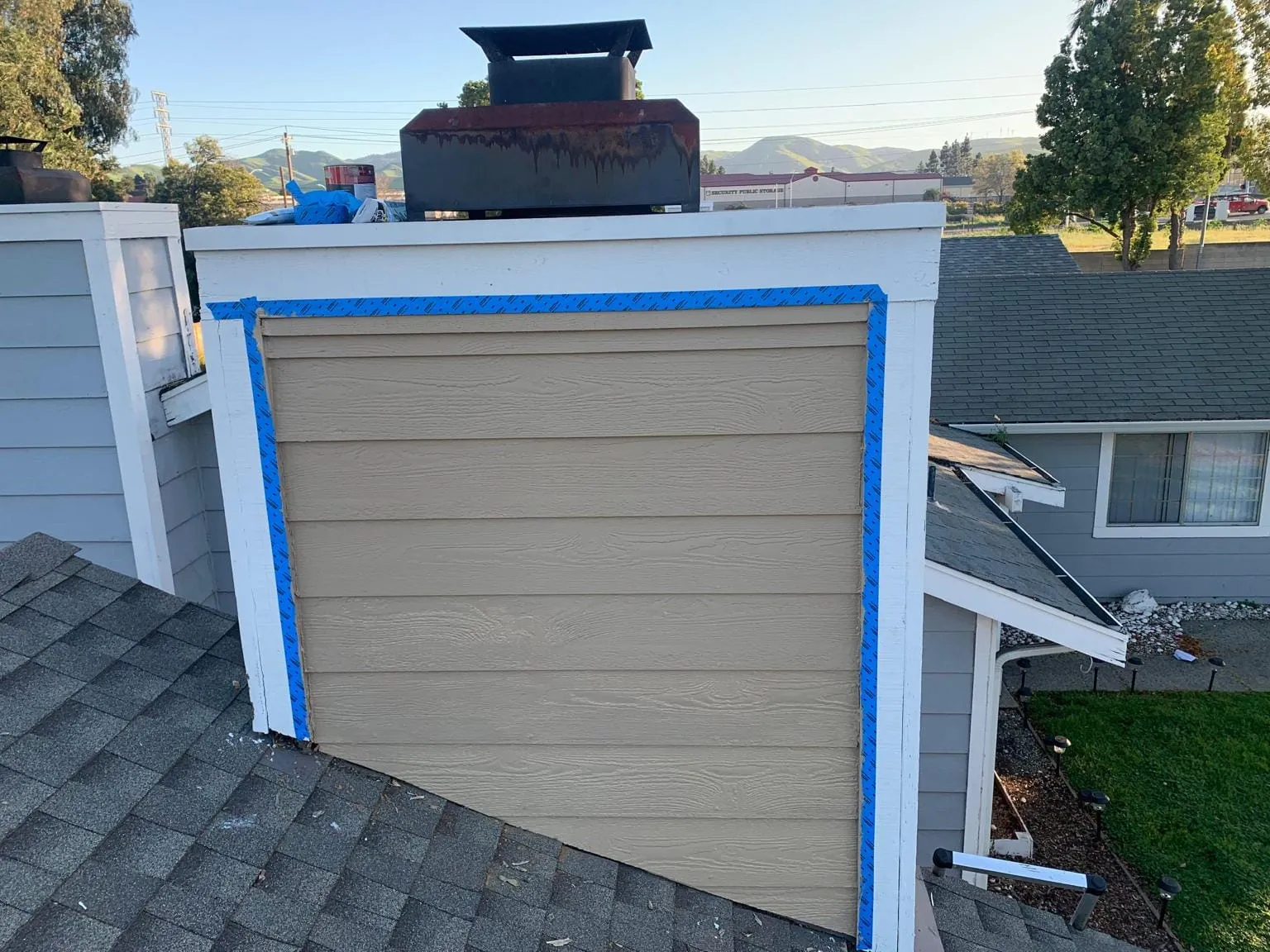
  4. A framed chimney chase opened at the side to show a metal flue pipe inside, on a shingled roof with roofing tools beside it
    From our Google Business Profile

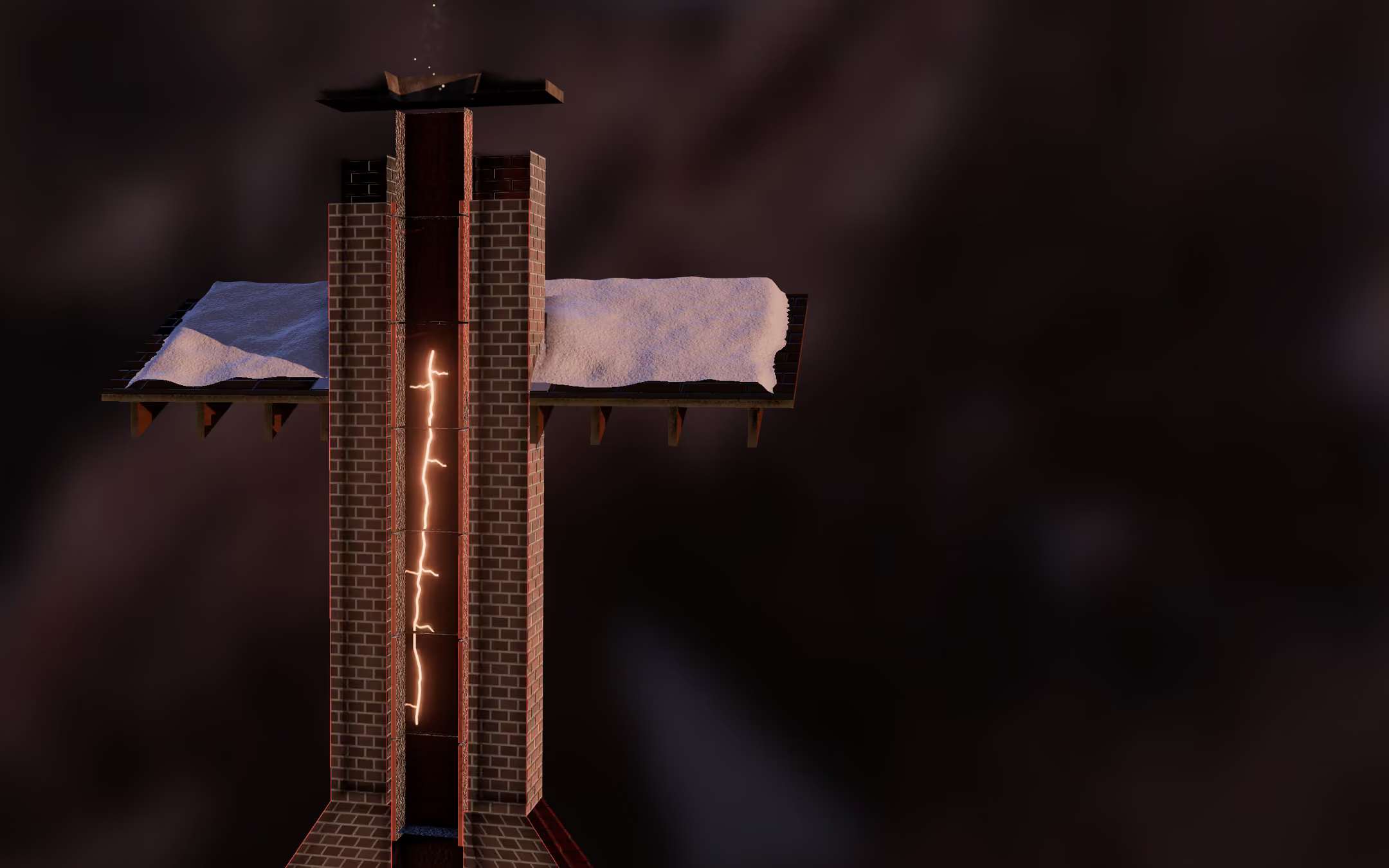
    4The flue, top to bottom

    Flue liner

    The liner carries smoke and gas out of the house. The median Broomfield home was built in 2002, so most flues are in their third decade: long enough for a pipe joint to rust or a clay tile to shift, and neither shows from the living room.

    We check: rust or gaps at pipe joints, cracked or shifted tiles, a liner that does not suit the stove or insert.

    Next: Smoke chamber
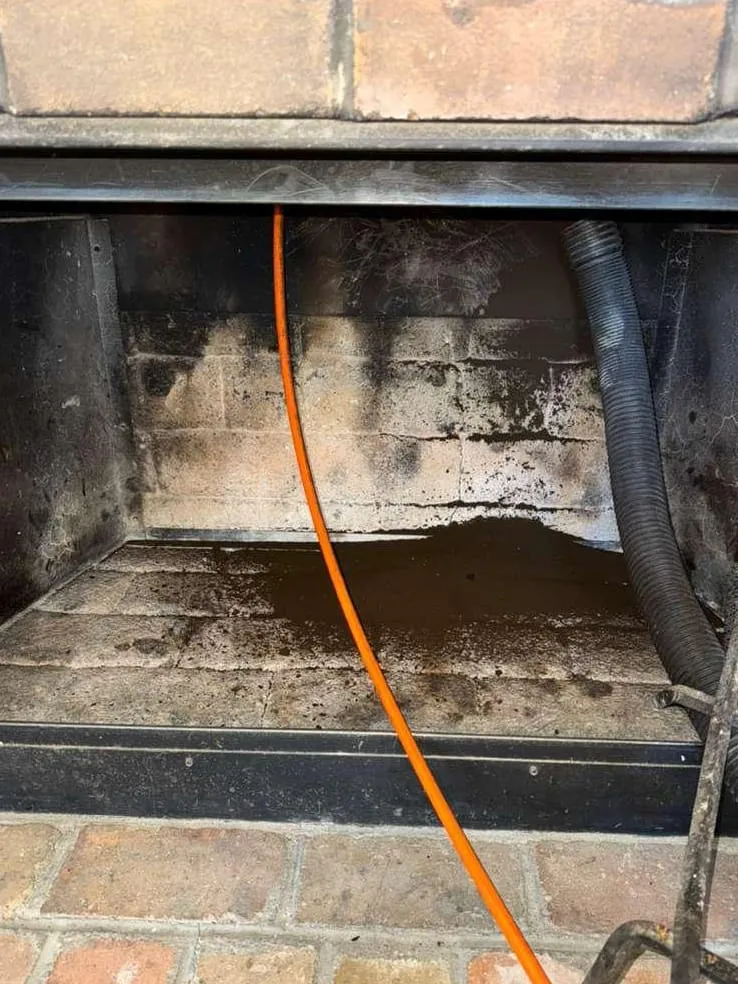
  5. The inside of a brick firebox with soot-darkened walls, an orange sweep cable running down it and a vacuum hose at the right
    From our Google Business Profile

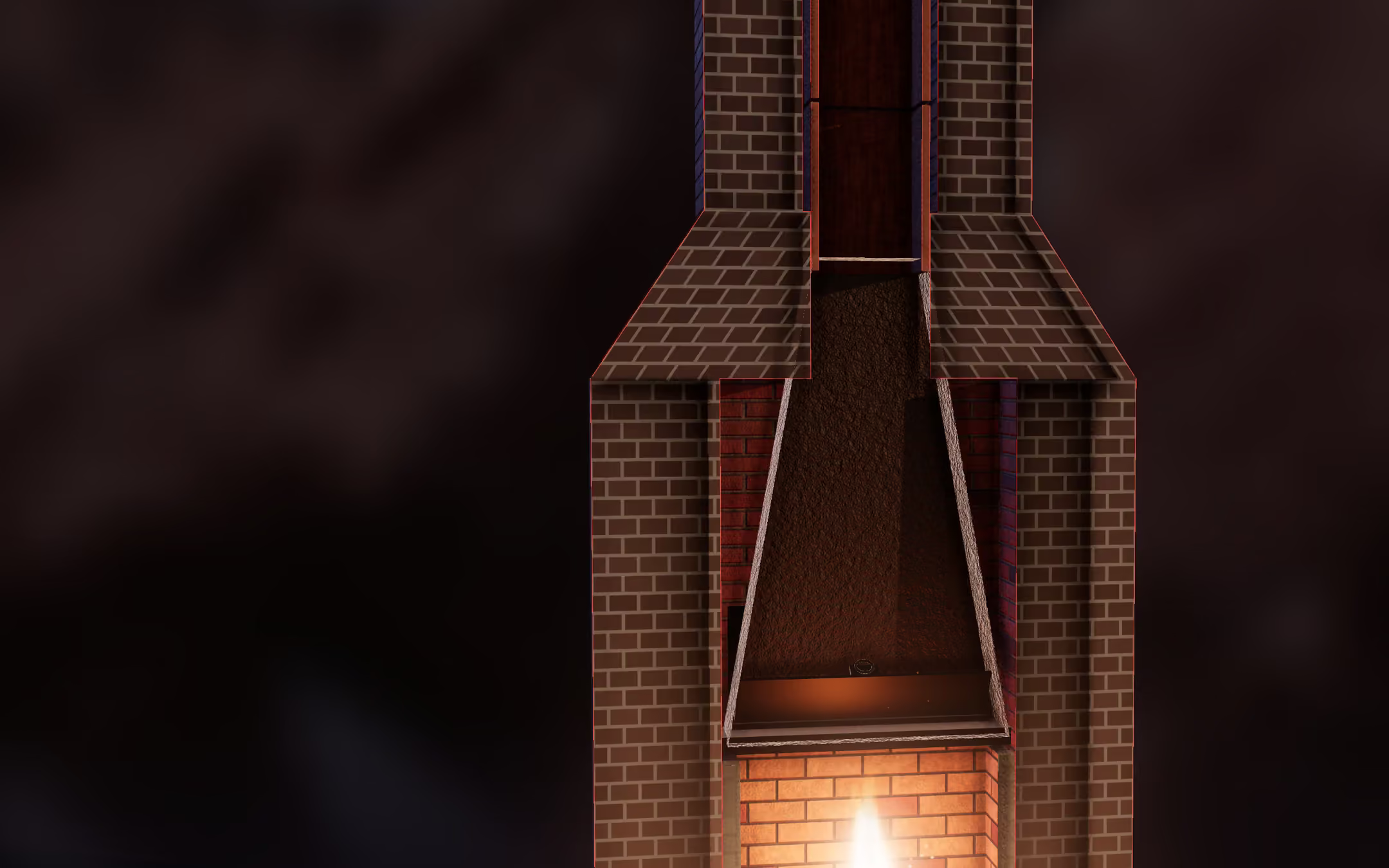
    5Over the damper

    Smoke chamber and damper

    Soot and creosote settle first on the smoke shelf above the damper. A fireplace lit now and then collects less than a daily stove, but it still collects, and a damper stuck half open wastes heat all winter.

    We check: tarry or glossy deposits, a damper that closes fully, a shelf that is crumbling or uneven.

    Next: Firebox
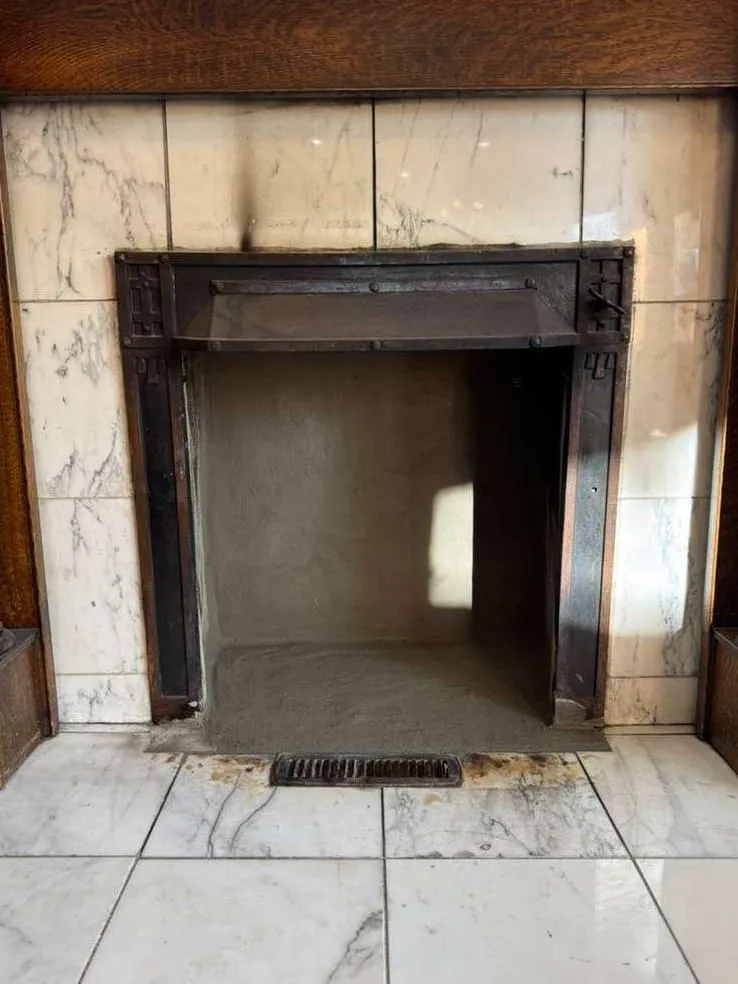
  6. A white marble fireplace with a dark iron frame and a clean, empty firebox with a small ash drain in the hearth
    From our Google Business Profile

    6Behind the fire

    Firebox

    The firebox takes the heat directly. Firebrick and the joints between the bricks crack with age and with heating and cooling, and a gap in a joint is a small job to fill before heat reaches the wall behind it.

    We check: open mortar joints, cracked or flaking firebrick, a hearth that is level and sound.

    See all six

What we do, from the cap down to the hearth.

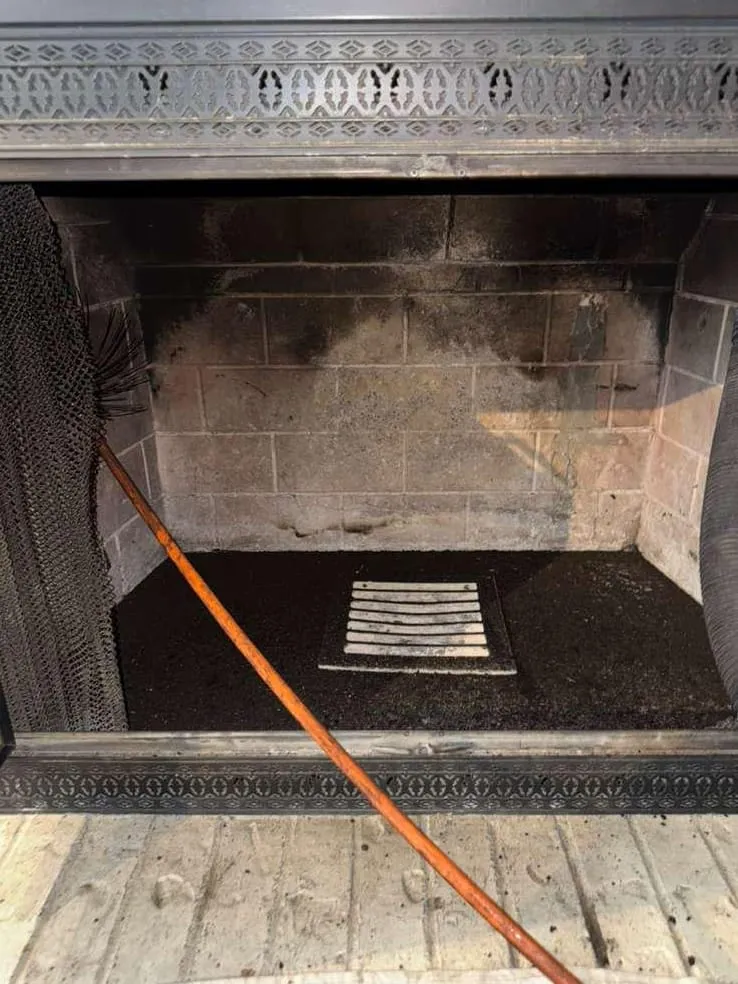
  1. The inside of a firebox with a decorative metal frame, soot above, a cleared hearth floor with an ash-dump grate and an orange cable across it
    From our Google Business Profile

    A sweep brushes soot and creosote off the flue walls and the smoke shelf, then clears out the firebox. A clean flue draws better and has less in it to catch fire.

    • The flue, damper to cap
    • Smoke shelf, firebox and hearth
    • A plain note on what we saw
    About sweeping
    Schedule your sweep
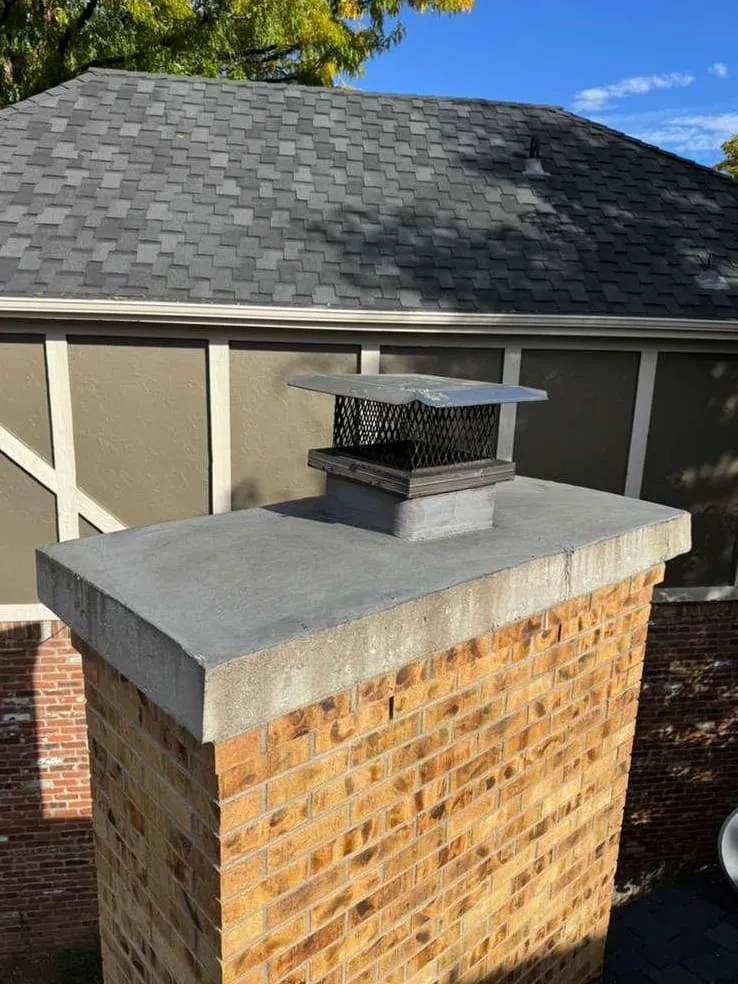
  2. A light orange brick chimney with a gray concrete crown and a black mesh spark-screen cap beside a house with a dark shingle roof
    From our Google Business Profile

    Everything from the cap to the firebox, looked over carefully. Have it done yearly, after a chimney fire or a storm, and again at a sale, since NFPA 211 makes Level 2 the standard when a home changes owner.

    • Cap, crown, flashing
    • Every part of the flue
    • Each problem named plainly
    About inspections
    Schedule an inspection
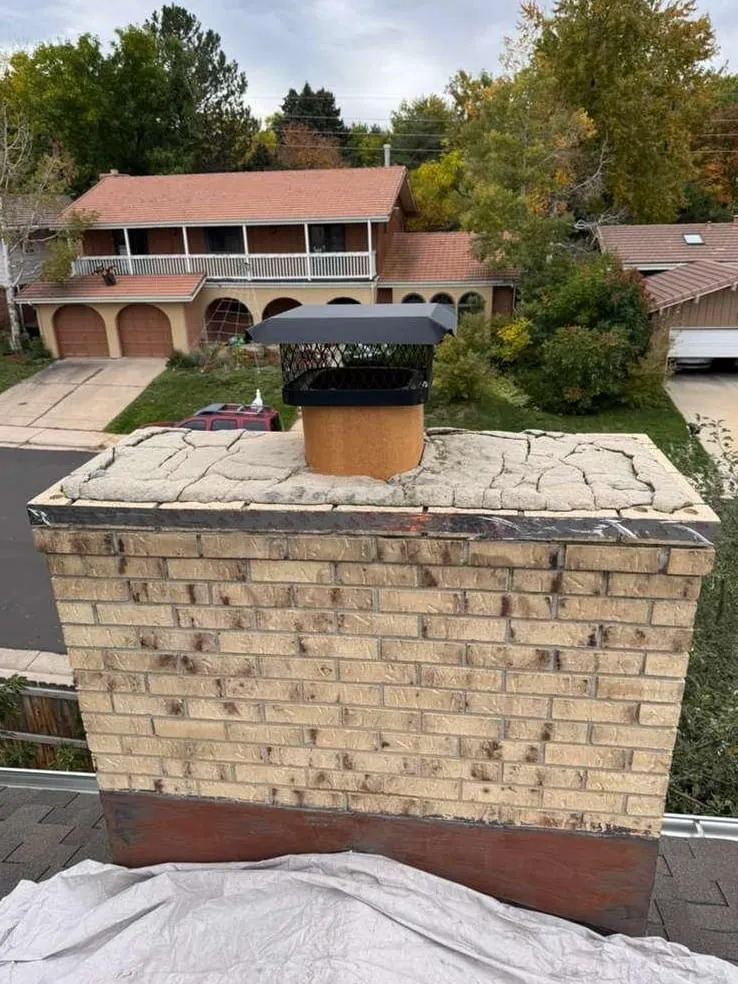
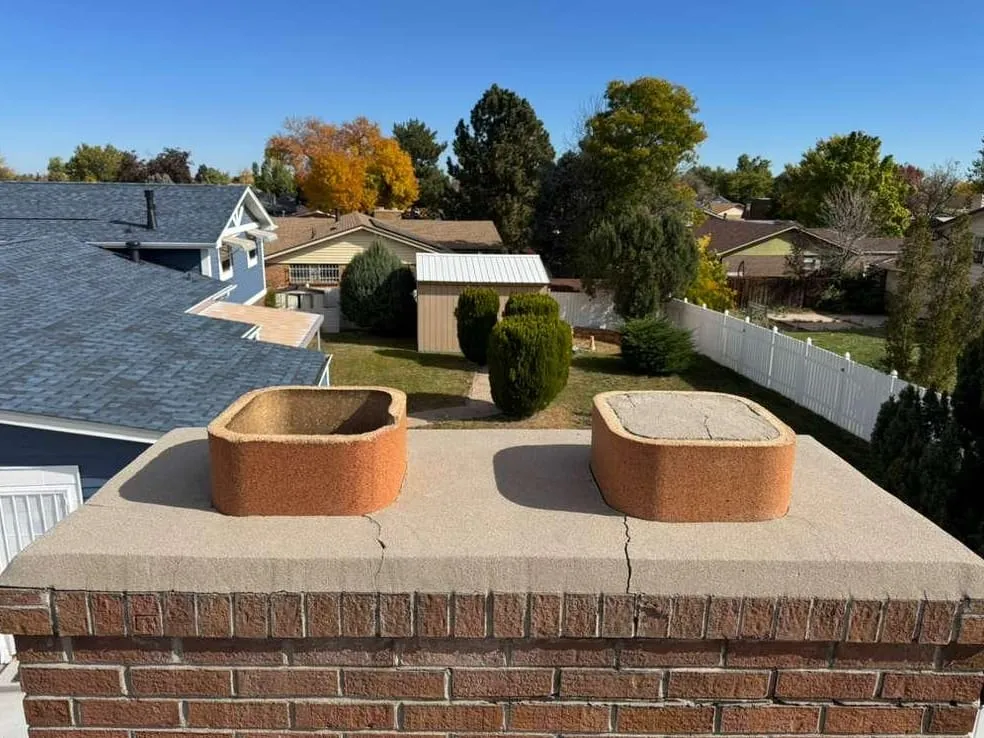
  3. A flat-topped tan brick chimney with a cracked concrete crown and a small black cap, above a street of two-story houses and autumn trees
    From our Google Business Profile

    Fixes for the crown, the cap, the flashing, the brickwork joints and the firebrick. A small fault mended early keeps water out before the next run of freezing nights can make it bigger.

    • Crown sealing and rebuilding
    • Caps and spark screens
    • Tuckpointing and flashing
    About repairs
    Get a repair looked at
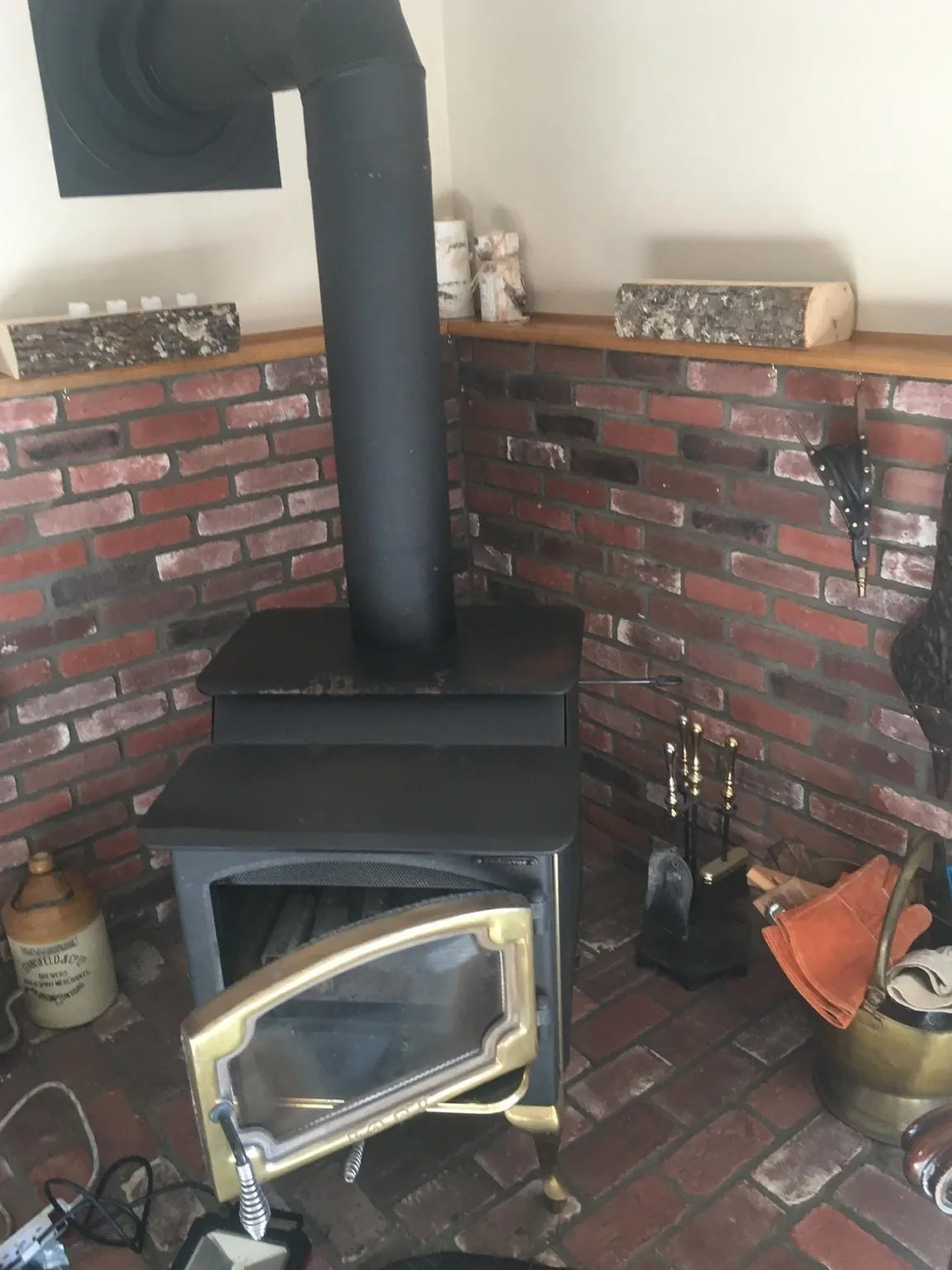
  4. A black wood stove with a glass door ajar and a tall stovepipe against a corner of dark red brick, with fireplace tools beside it
    From our Google Business Profile

    For fireplaces and stoves that are only lit now and then: the firebox and smoke shelf emptied, the stove pipe brushed clean, and the damper run through its whole range.

    • Firebox and smoke shelf
    • Stove, insert and pipe
    • Damper checked end to end
    Stoves and fireplaces
    Schedule a cleaning

What Broomfield weather does to a chimney.

Three things the Broomfield sky sends, and why a small fault mended now is a smaller job than a big one after the next storm.

  1. 01 / 03

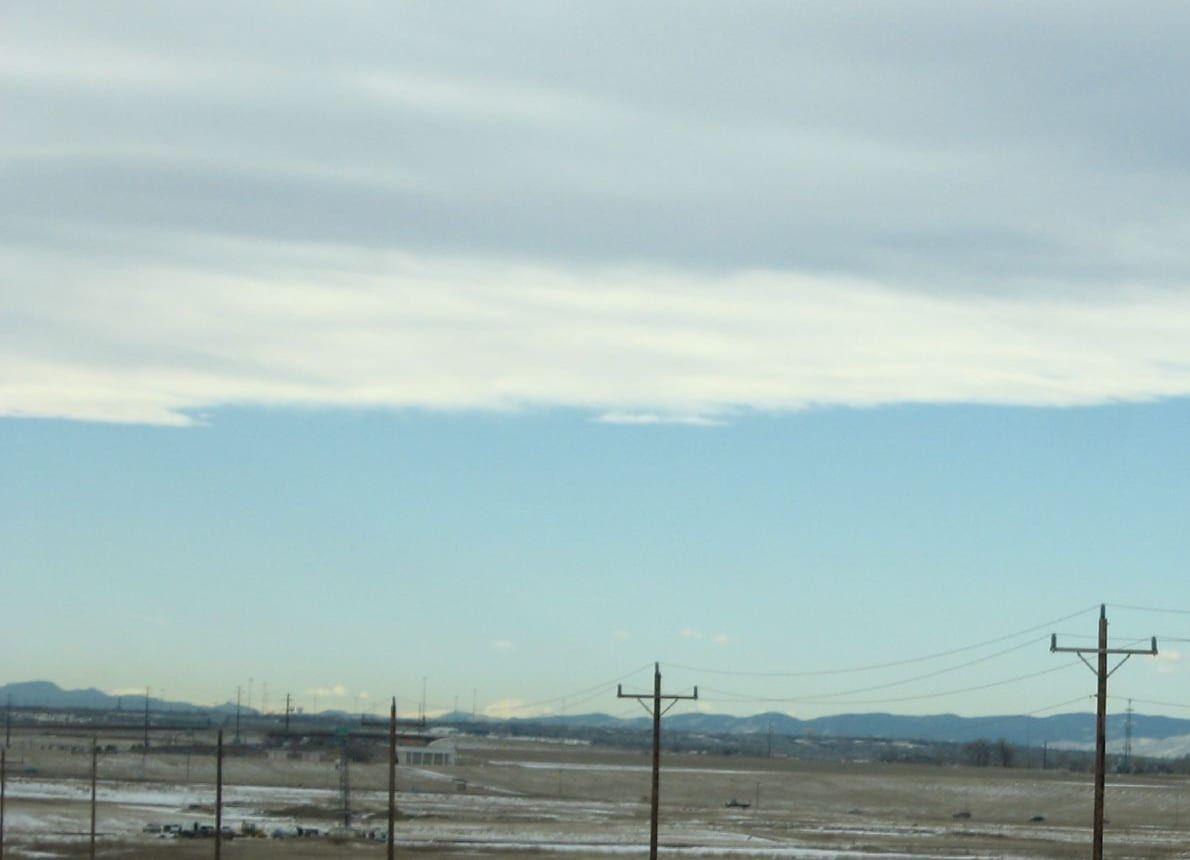
    27°F. A thaw and a freeze, daily

    In January the average Broomfield day runs from a low of 18.9°F to a high of 46°F, a swing of about 27 degrees. Snow melts on a warm roof in the afternoon, the water slips into a crack in the crown, and the night freezes it and opens the crack wider.

    Source: NOAA NCEI Climate at a Glance, Broomfield County, 1991 to 2020 averages

    Photo: Ken Lund, CC BY-SA 2.0

    Photo: Ken Lund, CC BY-SA 2.0

  2. 02 / 03

    31 in. Heavy snow, pushed by wind

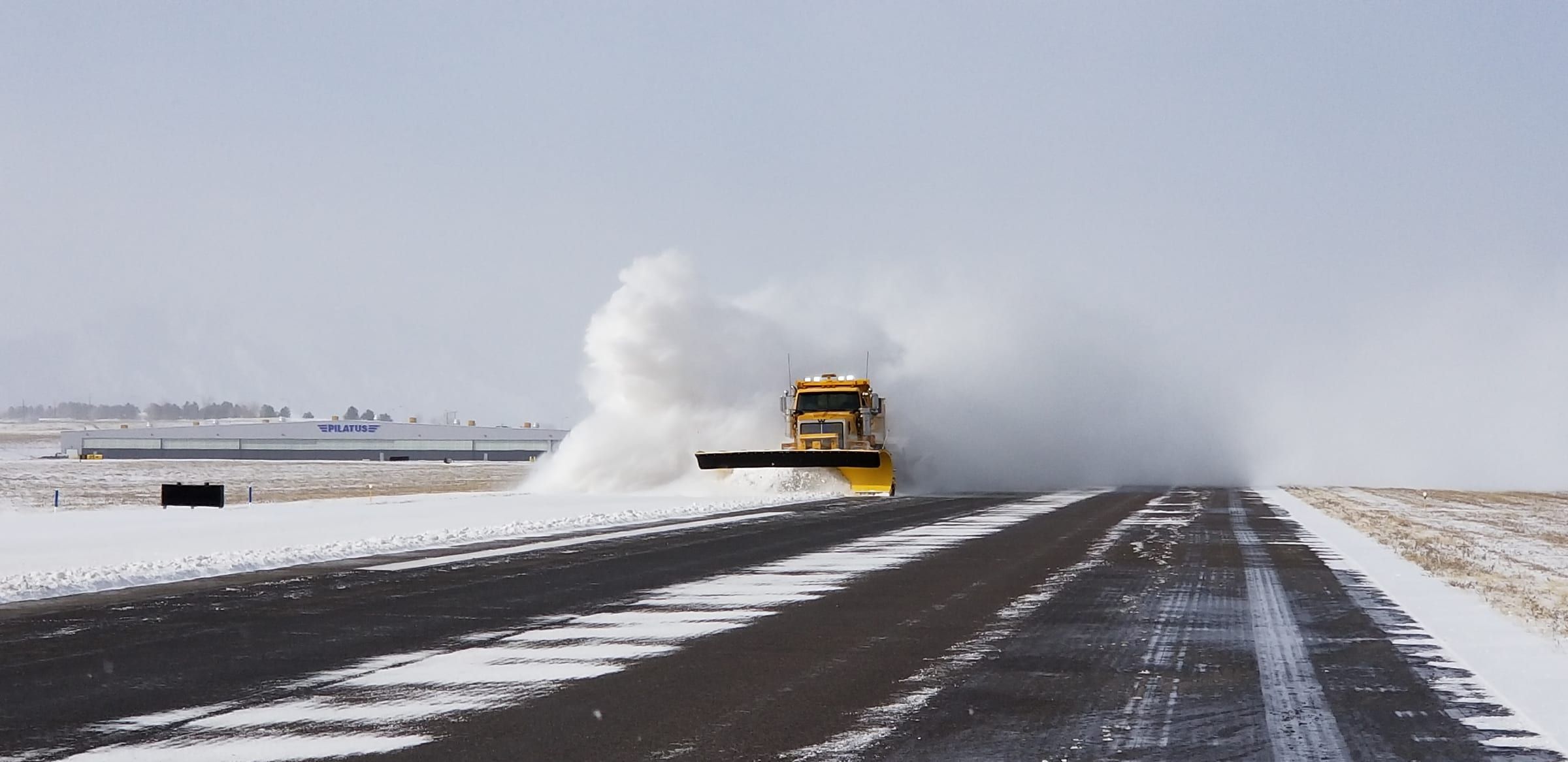
    The storm of March 17 to 19, 2003 left 31 inches of heavy wet snow in Broomfield, and NWS Boulder records roofs of homes and businesses collapsing across the metro area. North winds gusting to 41 mph piled drifts as deep as six feet, and drifted snow loads every ledge of a chimney.

    Source: NWS Boulder, March 2003 blizzard summary

    Photo: Brandon Murphy1, CC BY-SA 4.0

    Photo: Brandon Murphy1, CC BY-SA 4.0

  3. 03 / 03

    15 in. Dry air, dry grass

    Broomfield gets about 15 inches of precipitation in a whole year, and on average no more than 0.6 inch in any month from December to February. In a dry winter a spark leaving the flue can land on dry grass or shingles; a cap screen with openings of 1/2 inch at most is what keeps it in.

    Source: NOAA NCEI Climate at a Glance, Broomfield County, 1991 to 2020 averages; IRC R1003.9.2

    Photo: nature80020, CC BY 2.0

    Photo: nature80020, CC BY 2.0

Chimneys up close.

Fourteen photos from our Google Business Profile.

A tag with an arrow takes you to that part in the walkthrough above.

Broomfield, from Interlocken to Anthem.

We are based in Broomfield, which has been a city and a county at once since 2001. The map traces its outline and a few of the places inside it: and in the southwest, to the south, and in the middle, in the north, and out at the southwest corner.

Wondering whether your street is covered? Call (983) 223-1467 and we will tell you.

City and County of BroomfieldContour lines at 100 ft

Terrain from AWS Terrain Tiles; city boundary from Census Bureau TIGERweb; place names and coordinates from OpenStreetMap contributors.

  • Broomfield
  • Interlocken
  • Lac Amora
  • Arista
  • Broadlands
  • Wildgrass
  • Anthem
  • Great Western Reservoir
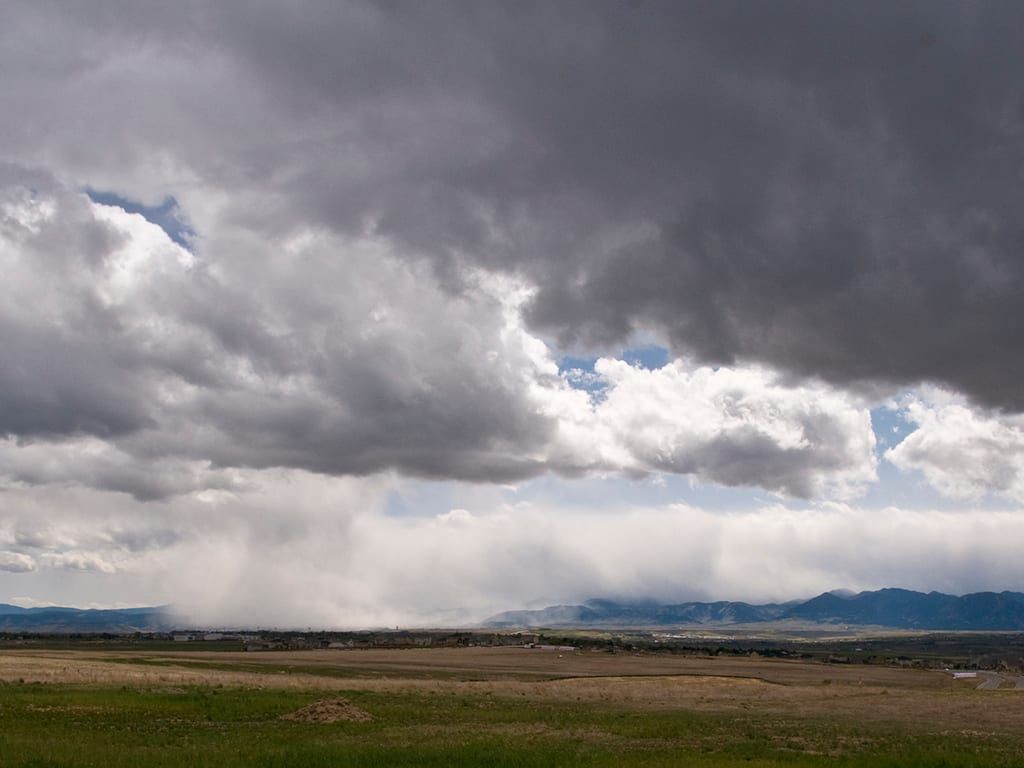
A heavy gray storm cloud over open plains, rain falling in the distance and the Front Range as a thin blue line under it

Photo: jtsmmm, CC BY 3.0

Broomfield homeowners ask.

Straight answers; where a figure comes from a source, the source is named.

How often does a chimney need sweeping?

It depends more on how much you burn than on the calendar. NFPA 211 asks for an inspection every year, and the inspection shows whether a sweep is due. In the Census Bureau 2020 to 2024 survey the estimate of Broomfield homes that name wood as the main heating fuel is 58 out of 31,760, give or take 58, so most fireplaces here burn for an evening now and then, not all winter.

Source: NFPA 211; US Census Bureau (American Community Survey 2020 to 2024)

Does a chimney need inspecting before a home is bought or sold?

NFPA 211 lists a sale or transfer among the occasions for a Level 2 inspection: besides the reachable parts, it takes in the attic and the crawl space and sends a camera up the flue. About 72 percent of Broomfield homes date from 1990 or later, and newer houses often have a factory-built metal fireplace and flue inside a framed chase instead of a masonry stack, so the things to check differ from one house to the next.

Source: NFPA 211; US Census Bureau (American Community Survey 2020 to 2024)

Why does the fireplace smell on a damp or warm day?

Soot and creosote hold odor. When the air is humid or warm, the draft in the flue slows or even reverses, and the smell sinks into the room. Clearing the deposits takes away the source; a damper that closes tightly and a cap help keep what is left inside the chimney.

Source: CSIA guidance

What is a chimney crown?

On a masonry chimney the crown is the slab across the top that sheds water away from the bricks and the flue. Broomfield January days swing from about 19°F to about 46°F, so a crack in the crown can take in melt water by day, freeze at night, and grow.

Source: NOAA NCEI Climate at a Glance, Broomfield County, 1991 to 2020 averages

Does a chimney need a cap?

Yes. A cap keeps rain, snow, birds and animals out of the flue, and its mesh holds sparks back. The model code, section R1003.9.2 of the IRC, limits the mesh openings to 1/2 inch at most. What Broomfield enforces comes from the codes it has adopted, and its building division can confirm them.

Source: International Residential Code, section R1003.9.2

Which areas do you cover?

Our base is Broomfield. If you cannot tell whether your address is covered, whether it is in Anthem, in Interlocken or elsewhere in the city, call (983) 223-1467 and we will say.

How can I book?

Call the office at (983) 223-1467 (seven days a week, 7 AM to 9 PM), or send the form below at any hour of the day or night. A person calls back and agrees a time with you.

Book your visit.

Say what is wrong on the form, or just phone, and we will call you back to agree on a day.

  1. 1Reach out A phone call or a few lines on the form.
  2. 2We call you A person phones back and finds a day that works for you.
  3. 3Top to bottom The cap comes first, the hearth last, and nothing is skipped in between.
  4. 4Your decision We explain what we found; you choose what happens next.

Office

seven days a week, 7 AM to 9 PM

(983) 223-1467

Online

Any hour, through the form

Photo: Highway mountains, plutonature333, CC BY-SA 3.0

What do you need?

What do you need?

About your chimney

What do you burn?

How do we reach you?

Best time to call

Back

Want the fireplace ready before the cold arrives, or unsure about something you noticed on the roof?

The office is open seven days a week, 7 AM to 9 PM. The form is open all day and night.

Book online